Your Survival Skills Training begins here! Three (3) unique 5-Day camps, each one building on the other. Starting with basic to advanced hands-on wilderness survival with Lifesong Wilderness Adventures. Enhance your core skills, develop expertise, get strong, and cultivate a positive mindset.
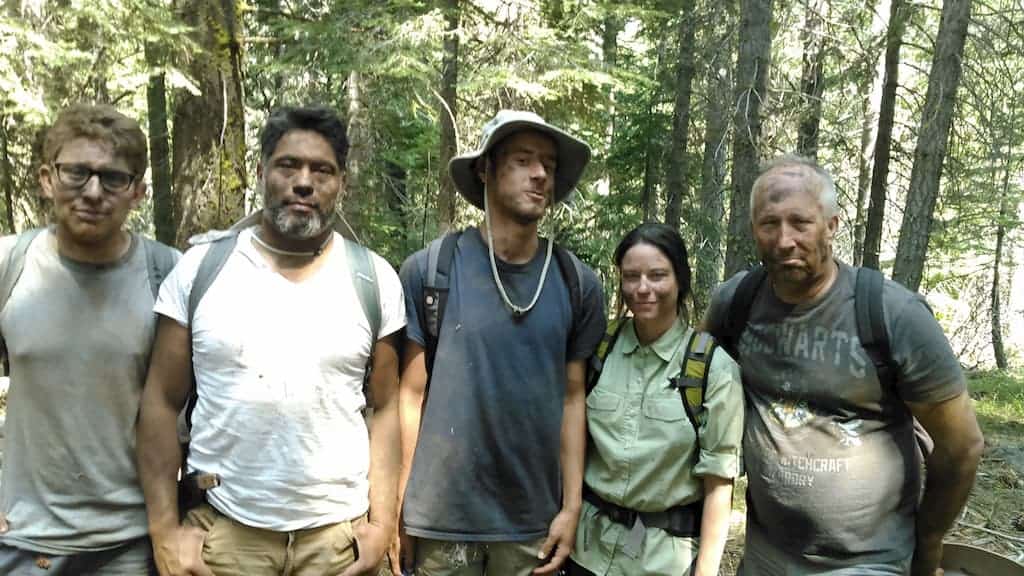
Survival Skills Training for Adults.
Since 1994
- Hands-on
- Empowering
- Purposeful
- Positive
- Resilient
- Train to rely on your mind and muscle to survive and thrive!
Three (3) unique camps make up your training program.
1. Begin with First Circle Camp - Learn key survival skills
First Circle Camp
Go for it!... Being able to make a fire, a shelter, and a trap for food are the skills to acquire...
START HERE
Our training follows these powerful elements to build your success.
- lecture
- observation
- hands-on
- muscle memory - retention
- repeat
- dirt time: build confidence and resilience
SUCCESS!
Advanced Survival Training
Coming Again in 2027
Select Advanced Survival Training...Keeping it real!
GO HERE
Advanced Survival Training
As a graduate of First Circle, you are now eligible to attend Advanced Survival Training. This course builds on new challenges, MORE dirt time, and MORE advanced skills, earning even MORE practical experience!

Cold Weather Survival Training
We train for safety
Your safety is our number one priority. In a real survival scenario, the ability to move safely and stay safe increases your chances of survival.
Safety is an important skill to practice during outdoor recreation activities. Whether you're out for a day hike or a weekend backpacking trip, we train for wilderness safety the same way.
- sanitation
- hygiene
- situational awareness
- weather
- moving safely across landscapes
- carving knife safety
- cooking and warming fire use and safe application
- toxic plants and animals
- wildlife and human interaction
- Leave No Trace principles and application
Training with Lifesong Wilderness Adventures means -
- safe space
- inclusive
- supportive
- personally gratifying
- fun
- creative
- real
- in nature
Get strong!
Guided Teaching Techniques
Because we all learn differently, I focus on these three teaching techniques. In my experience, I believe this is how we learn best.
- Stories
- Observation
- Hands-On
Stories
First, we begin with stories. Stories connect us to our imagination, the creative part of ourselves. Through story, we can imagine a thing and how it fits within the landscape of our own life experience.
Observation
Secondly, watching and observing in real-time is how humans have always learned. We learn by watching how all the parts and pieces fit together.
Hands-on!
Third, hands-on! You use your mind and body to create in the now.
Our guided teaching techniques help you gain a deeper awareness and enjoyment of the natural world. And to dramatically increase your wilderness safety skills.
Questions?
Is Survival Training hard?
Survival training can be challenging, but nothing worth doing is easy. However, there is no reason for nervousness. Our training is designed to help you succeed. We deliver our lessons in a relaxed, supportive, and professional manner.
Do women attend your survival skills training?
Yes, men and women both benefit from our survival courses.
Read what our students say...
Do older adults attend your camps?
Yes, adults from 18 years of age, including folks in their 60s, attend our training.
Do I have to be in physical shape to attend?
The better shape you are in, the more comfortable you'll be. If you can walk a mile over uneven ground with comfort, you are fit enough to attend our Camp.
Are you a military-style boot camp?
We are not a military-style boot camp. The amount of energy you put into the camp is entirely up to you. You can work as hard or at the level of physical activity you're most comfortable with.
Why Choose Us?
Learn more about Mark J. Wienert, owner and lead instructor of Lifesong Wilderness Adventures.